
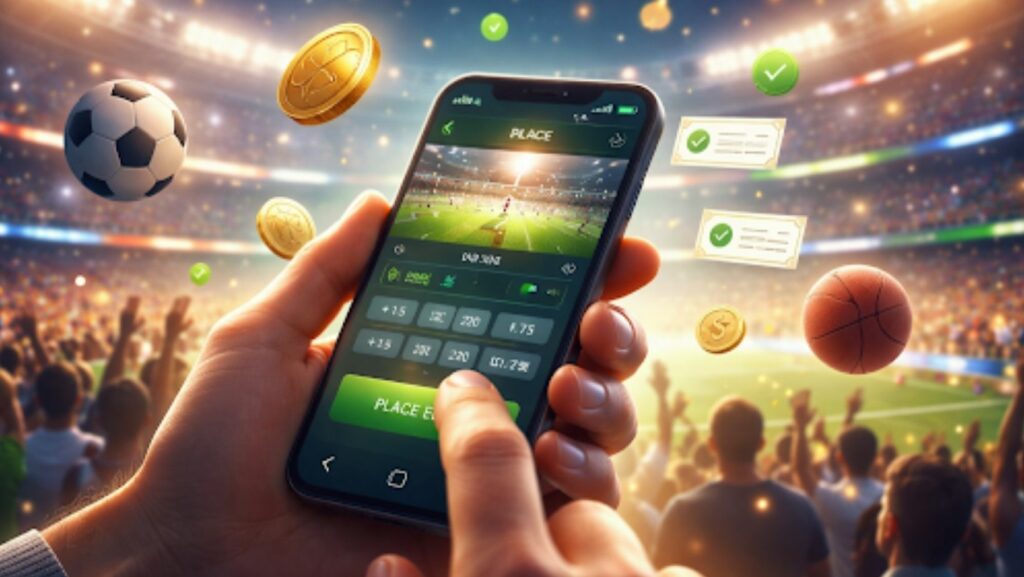
Sports used to be something you watched. Now, for many people, it’s something you interact with. A goal, a foul, a timeout — every moment can turn into a decision. With the development of lighter, faster, and more user-friendly systems, betting has become a commonplace activity. For many users, the first step into this world occurs through an installation like the 22bet apk, where the process feels simple and almost casual. That simplicity is not accidental. It is carefully built.
From Intentional to Instinctive
Not long ago, placing a bet required effort. You had to open a website, log in, navigate menus, and think through each step. That friction created space for hesitation. Mobile betting removed most of that. Now, everything is within reach of your thumb. Open the app. Tap market. Place a bet. Done.
This shift changed the emotional weight of the action. It no longer feels like a deliberate decision. It feels instinctive. Like checking messages or scrolling a feed. When something becomes instinctive, we question it less.
Why the Phone Changes Behavior
There is something about phones that makes actions feel lighter. You are not sitting down with a plan. You are often standing, walking, or and waiting. The environment is informal. That informality transfers to the action.
A bet placed at a desk feels intentional. A bet placed while waiting for coffee feels spontaneous. The context matters. The brain reads the situation differently, even if the risk is the same.
This is one of the biggest reasons mobile betting grew so fast. It fits into moments that were previously empty. Small gaps in the day become opportunities.
Design That Guides Without You Noticing
Open any modern betting app and look closely. The layout is not random. Buttons are where your thumb naturally rests. Important markets are larger. Less common options are smaller. Colors guide your eyes. Animations confirm your actions.
All of this is done to reduce thinking. It feels easier when you don’t think as much. Your propensity to act increases with ease.
Good design does not shout. It whispers. It nudges. It leads without forcing. That is why many users say, “It just feels easy,” without being able to explain why.
The Illusion of Control
Modern platforms are full of statistics. Form guides. Head-to-head records. Trends. Visual charts. All of this information creates a sense of mastery. It feels like you are analyzing, not guessing.
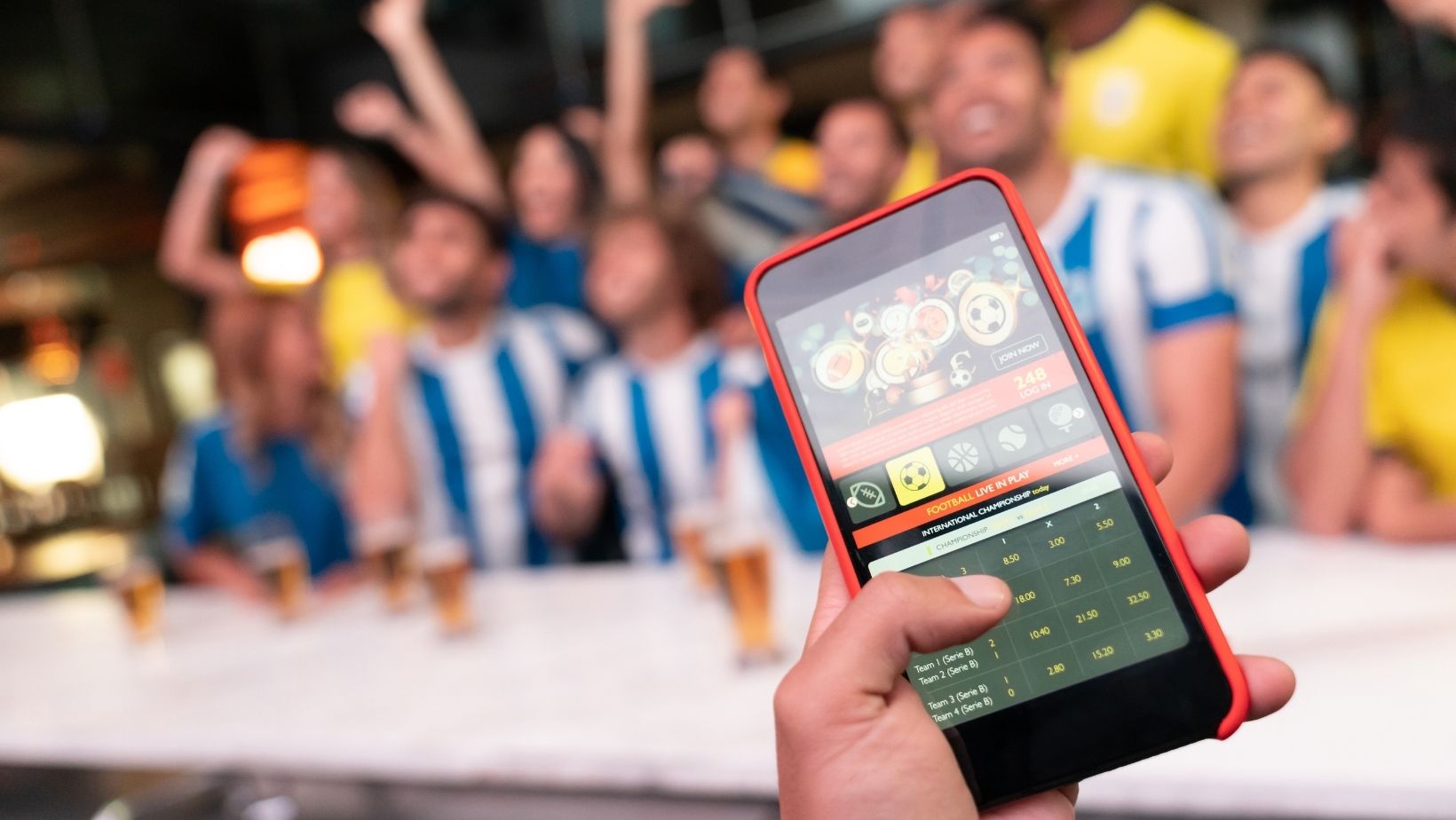
In reality, sports are unpredictable. Upsets happen. Mistakes happen. But when you are surrounded by data, the brain leans toward confidence. You start to trust your reads. You feel sharper than you might actually be.
This illusion is powerful. It makes betting feel less like chance and more like skill. And skill feels safer.
Always There, Always Ready
An app on your phone is never far. It sits on your home screen. It lives in your pocket. That presence changes habits.
You might open your phone for one thing and end up checking odds. Not because you planned to, but because it is there. Availability creates behavior. Anything that is more accessible is used more frequently.
This eventually creates routines. Match day means checking markets. Halftime means scrolling options. Late-night games mean “just one more look.” The app becomes part of the rhythm.
Notifications and the Pull of the Moment
Push notifications are small, but powerful. A match is about to start. A market has moved. A feature is active. Each message is a reminder. Not aggressive. Not demanding. Just present.
These reminders tie betting to moments. They connect emotion to action. Excitement rises. Curiosity kicks in. A tap follows.
Even when ignored, notifications plant ideas. They keep betting in the mental background. That quiet presence matters more than most people realize.
When Convenience Meets Emotion
Sports are emotional. Wins lift. Losses sting. Mobile betting sits right on top of those emotions. A late goal, a red card, a last-minute three-pointer — these moments are intense. When the option to act is right there, emotion and action merge.
This is where things get interesting. Decisions made in emotional states differ from those made in calm states. They are faster. Less filtered. More reactive.
The design does not create emotion. Sports do that. But mobile access allows immediate response to it.
Why It Doesn’t Feel Risky
One of the most important shifts is how risk is perceived. Digital money does not feel like physical money. Tapping a screen does not trigger the same caution as handing over cash. The loss feels abstract. Delayed. Less real.
This distance can make risk feel smaller than it is. Not because people are unaware, but because the medium softens the experience.
This is not unique to betting. Online shopping works the same way. So do in-app purchases. But in betting, the emotional cycle is stronger.
Awareness Changes Everything
None of this means people are wrong to enjoy mobile betting. The issue is not the activity. It is unconscious behavior.
When you understand why something feels easy, you gain power over it. You start noticing the nudges. The design choices. The timing. You become a participant, not a user.
That awareness creates space. Space to pause. Space to choose. Space to decide instead of react.
The New Normal
Mobile betting is not a trend. It is the standard. It fits modern life too well to disappear. Speed, convenience, and design have reshaped how people interact with sports and risk.
For many, it is entertainment. For others, it is a habit. For some, it becomes something heavier. The difference often lies in awareness.
Because we cease to question things when they seem natural. And when we stop questioning, patterns form.
Understanding those patterns is not about judgment. It is about clarity.
And clarity is always powerful.